How to Build a Second-Hand Marketplace App in FlutterFlow (Like Vinted or OfferUp)
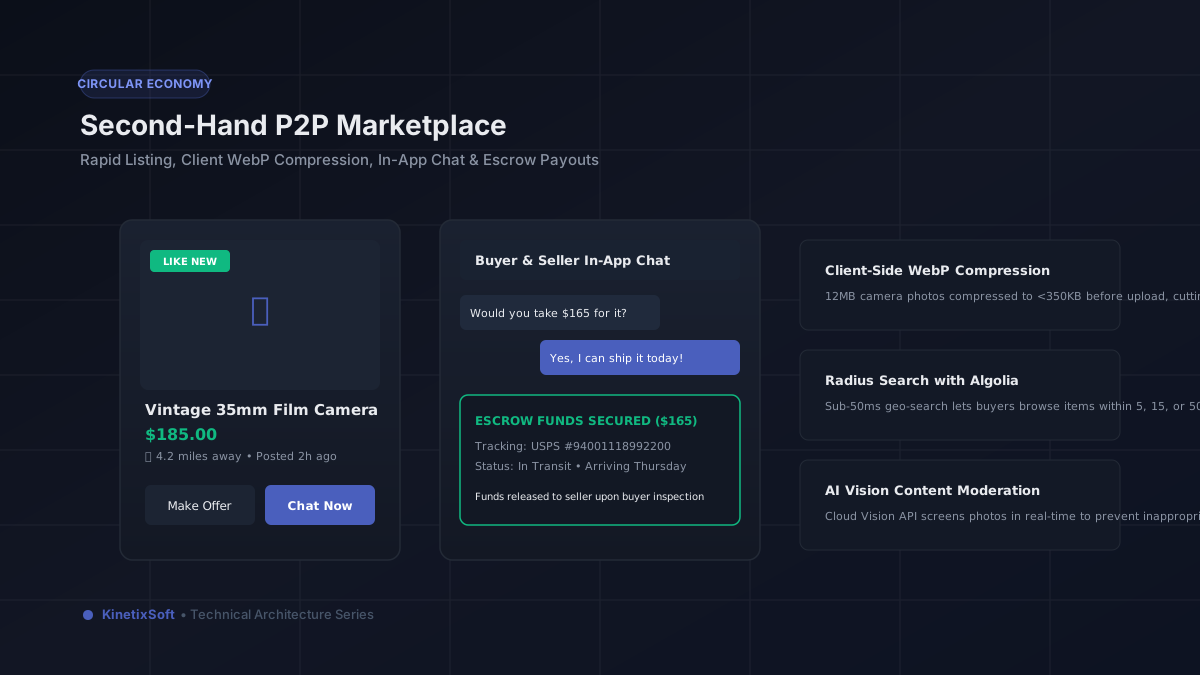
The recommerce and circular economy is thriving. Driven by sustainability and cost-consciousness, millions of consumers actively buy and sell pre-owned clothing, vintage electronics, collectibles, and furniture. Platforms like Vinted, OfferUp, and Depop illustrate the viral power of peer-to-peer (P2P) marketplaces. Building a second-hand marketplace used to be an immense technical undertaking due to user-generated listings, real-time messaging, and fraud prevention. In 2026, FlutterFlow enables founders to deploy a full-featured P2P marketplace in under two months.
Key components of a second-hand marketplace app
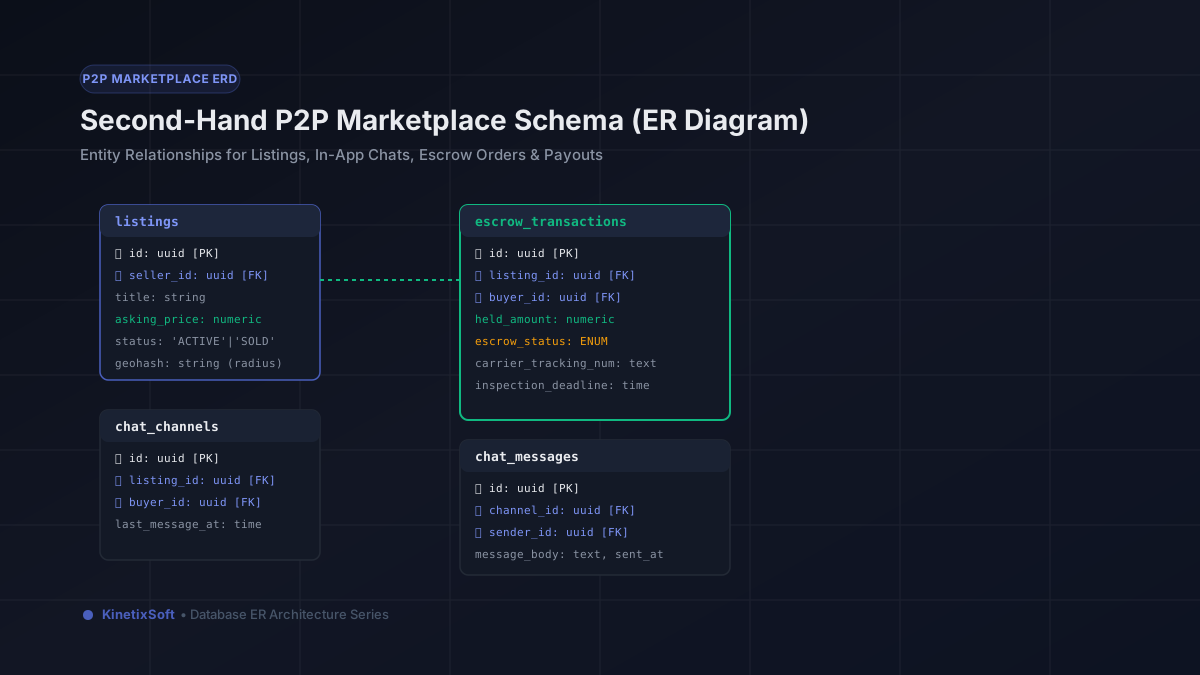
A successful P2P marketplace must serve both casual sellers seeking effortless listing and bargain-hunting buyers wanting verified trust:
1. 60-second listing flow: The listing process must be effortless. We implement image pickers with client-side photo compression, multi-image upload carousels, category selectors, condition tags (Brand New, Like New, Good, Fair), brand tags, and pricing inputs.
2. Local radius discovery and nationwide shipping: Dual-mode discovery allowing buyers to browse items nearby ("Within 10 miles for local cash pickup") or filter by nationwide shippable items with calculated delivery rates.
3. In-app buyer-seller chat: Built directly into FlutterFlow using Firebase Firestore, featuring real-time message delivery, push notifications, image sharing, and interactive offer buttons ("Make an Offer" or "Accept Offer").
4. Escrow and buyer protection: To eliminate scams, payments are held in escrow via Stripe Connect. The seller receives a prepaid shipping label; once the carrier marks the parcel delivered and the buyer confirms condition, funds are released to the seller's balance.
5. Trust, verification, and reputation scores: Two-way rating systems where buyers and sellers review each other after completed transactions, alongside phone number verification badges to prevent fraudulent accounts.
Technical architecture and performance optimizations
Marketplaces generate massive volumes of images and search queries. Key optimizations include:
• Client-side image compression: Compressing smartphone camera photos (often 8–15 MB) to WebP format under 400 KB before uploading to Cloudflare R2 or Firebase Storage, slashing cloud storage costs and ensuring fast feed loading.
• Fast search with Algolia or Typesense: Integrating dedicated search indexes so users can search across millions of listings with instant auto-suggestions, typo tolerance, and faceted attribute filtering.
• Automated content moderation: Connecting Google Cloud Vision API to screen uploaded photos for prohibited items before listings go live.
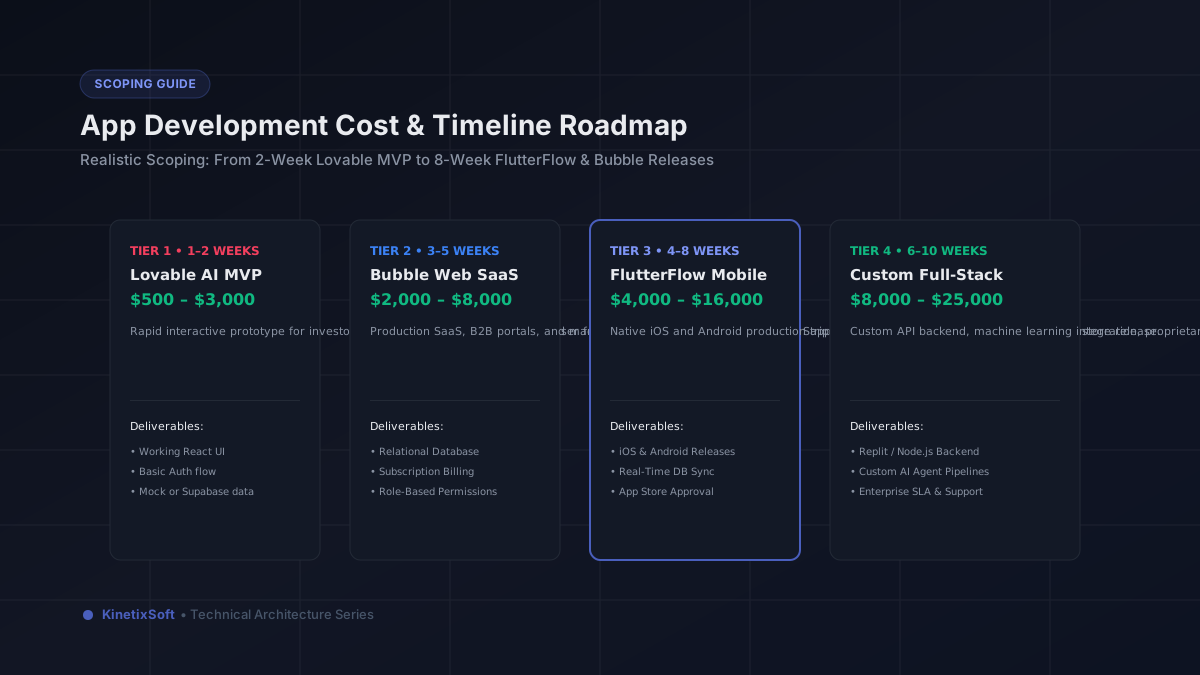
Estimated cost and launch timeline
Building a custom marketplace with native code usually costs $60,000–$120,000. With FlutterFlow, KinetixSoft delivers production-ready second-hand marketplace applications for $8,000–$16,000 within 6 to 8 weeks.
Planning to launch a circular economy or peer-to-peer marketplace? Book a free technical consultation with KinetixSoft today.
Planning to build an app like this?
KinetixSoft designs, builds, and launches production-grade mobile and web applications on FlutterFlow, Bubble, Retool, Lovable, and Podio. We deliver 40–60% faster and more affordably than traditional agencies.
Book a Free Scoping CallRelated Guides & Articles
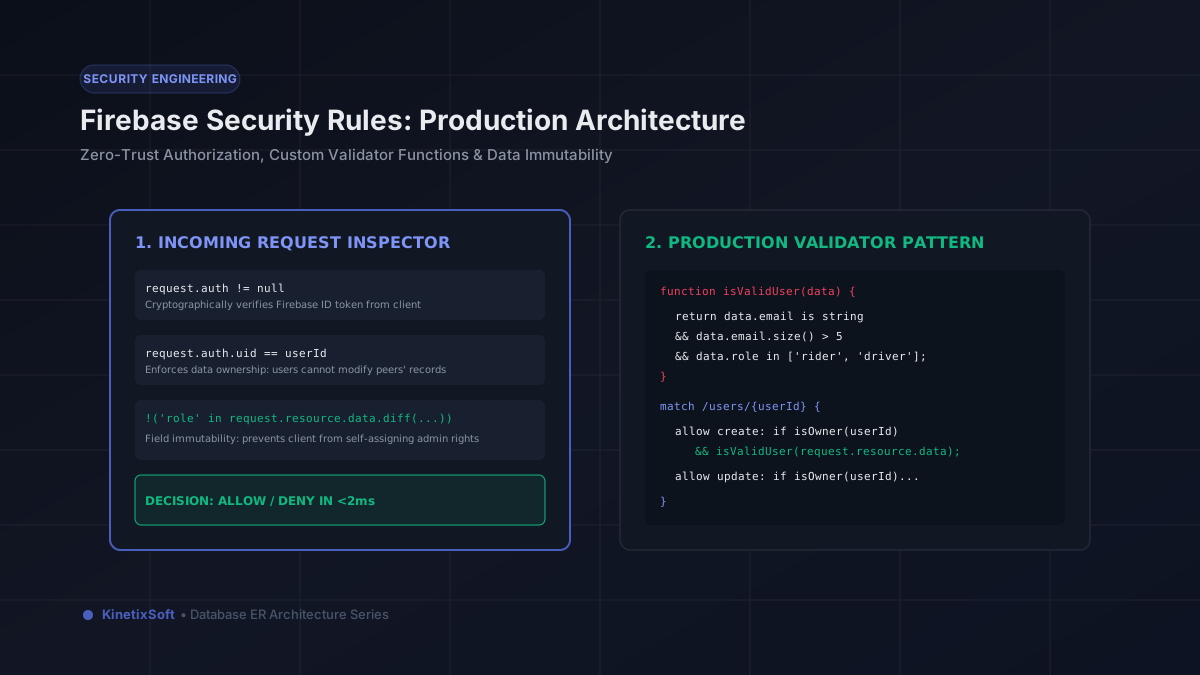
Mastering Firebase Security Rules in FlutterFlow: Complete Production Implementation Guide
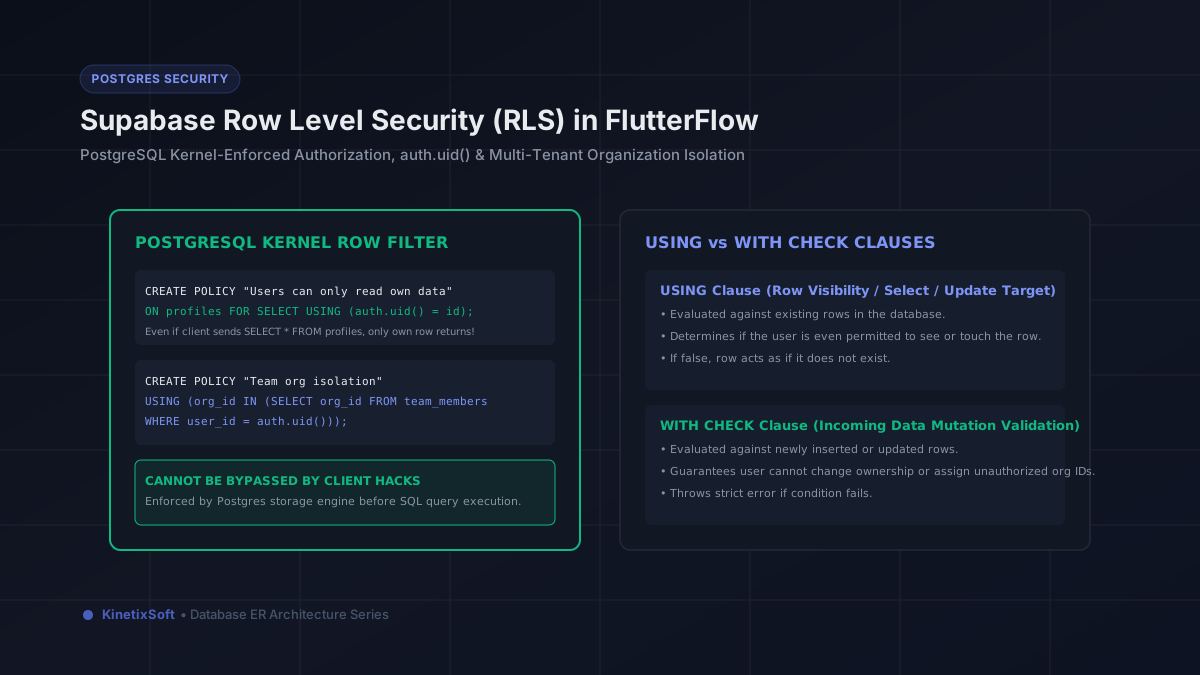
Supabase Row Level Security (RLS) in FlutterFlow: The Comprehensive Engineering Guide