How to Build an On-Demand Home Maintenance & Handyman Services App in FlutterFlow
Connecting homeowners with reliable, vetted trade professionals — plumbers, electricians, AC technicians, painters, and cleaners — remains one of the largest on-demand service opportunities. Homeowners want transparent pricing and dependable scheduling; contractors want steady bookings and automated invoicing without chasing overdue payments.
FlutterFlow provides the perfect framework for home maintenance platforms, supporting field-ready native mobile applications for technicians and frictionless booking experiences for property owners.
Two primary booking models for home maintenance apps
Depending on your service vertical, home maintenance platforms operate on one of two transactional models:

1. Fixed-price instant booking: Ideal for standardized, predictable services such as deep house cleaning, AC maintenance, lawn mowing, or pest control. The customer selects the service, chooses an available calendar slot, and confirms the booking with an upfront payment.
2. Request-for-Quote (RFQ) & bidding: For complex or variable home projects like bathroom remodeling, roof repair, or structural plumbing. Homeowners upload photos and video descriptions of the problem, and local vetted contractors submit competitive price quotes.
Essential features built in FlutterFlow
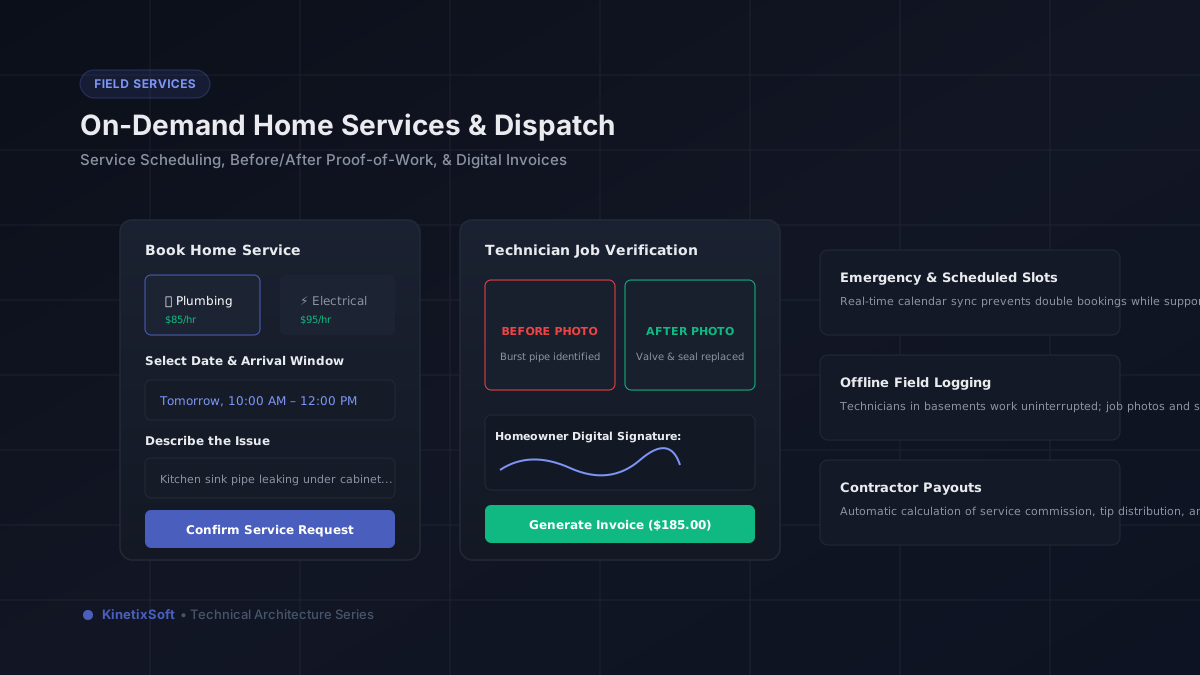
1. Dynamic booking calendar: Integrating real-time availability slots that sync with contractor calendars, preventing double-bookings while supporting emergency same-day dispatch requests.
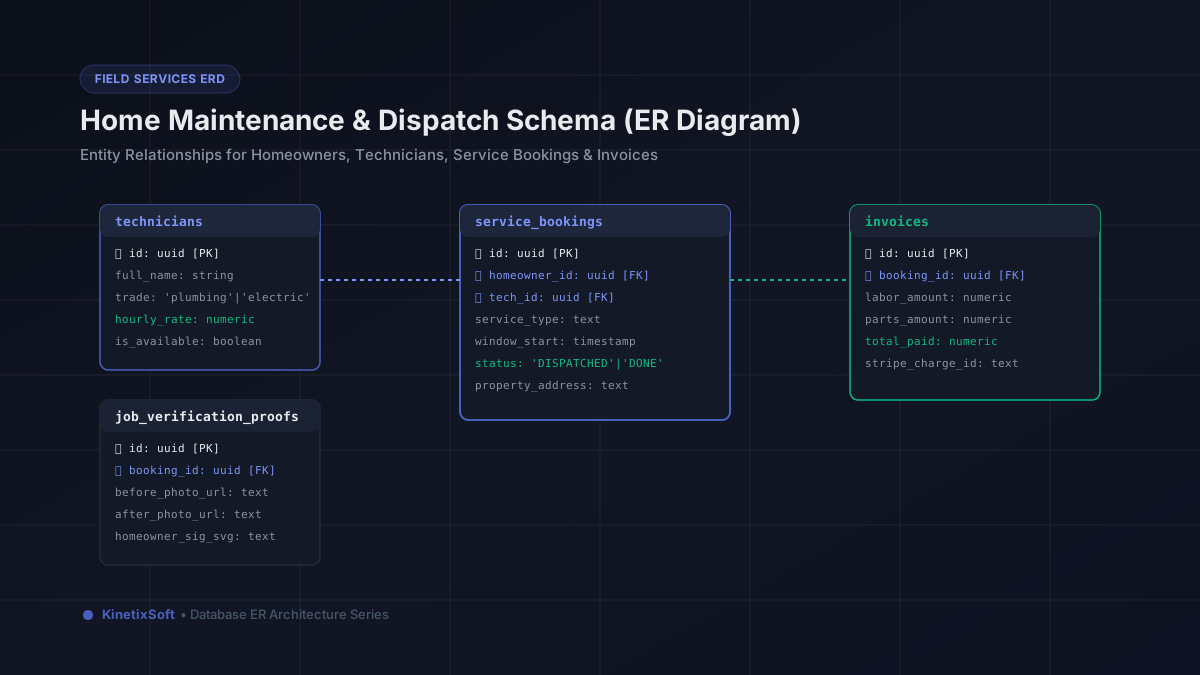
2. Visual job documentation: Homeowners upload photos or voice memos detailing the issue during booking. Technicians upload "Before" and "After" photos upon completing the repair, providing clear proof of work before the card is charged.
3. Scope amendments and digital signatures: When a technician uncovers unforeseen repairs on-site, they can generate an amended quote directly in the app. The homeowner receives a push notification and approves the price difference with a digital signature before work proceeds.
4. Automated invoicing and tip handling: Seamless credit card processing with customizable tip percentages, automated PDF invoice generation, and direct bank payouts to contractors via Stripe Connect.
5. Contractor credentials and badge verification: Displaying trade licenses, background check verification badges, insurance certificates, and historical customer ratings to establish trust.
Why FlutterFlow is ideal for field service apps
Handymen and field contractors work across diverse hardware, frequently in basements or rural areas with poor cellular connectivity. FlutterFlow apps compile to native iOS and Android code, supporting offline job note caching, camera hardware integration, and GPS navigation that web apps cannot match.
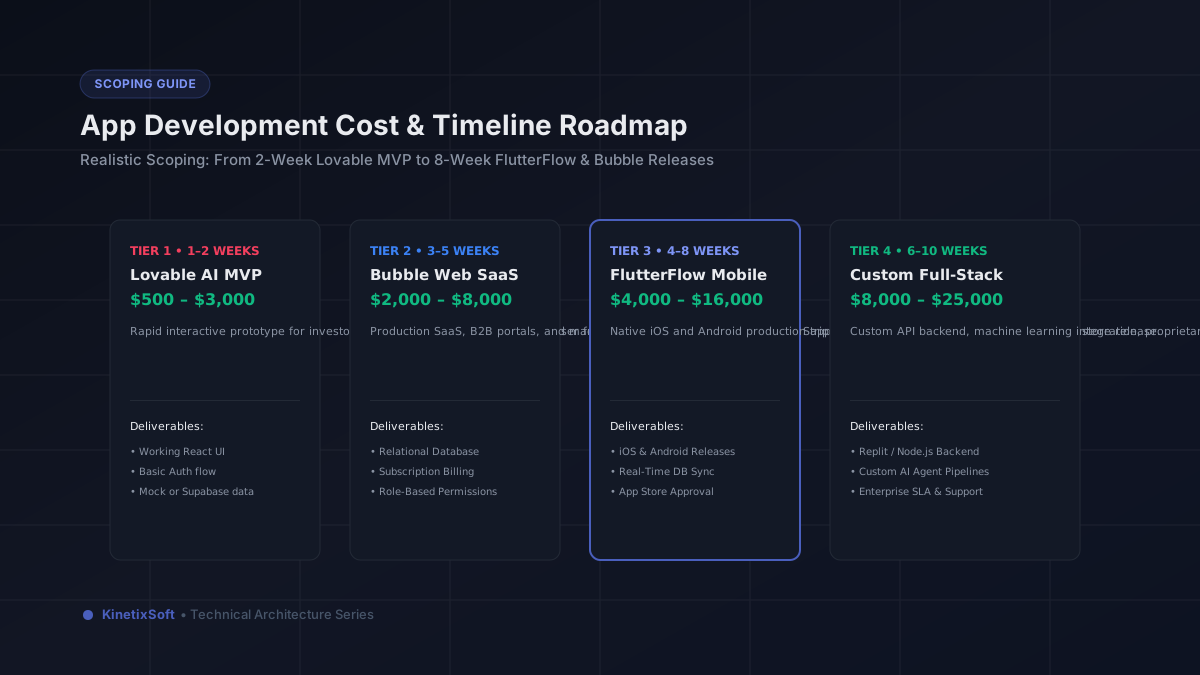
A full-cycle home maintenance platform typically costs $7,000–$15,000 with KinetixSoft and deploys in 6 to 8 weeks. Book a free discovery call to review your home services app requirements.
Planning to build an app like this?
KinetixSoft designs, builds, and launches production-grade mobile and web applications on FlutterFlow, Bubble, Retool, Lovable, and Podio. We deliver 40–60% faster and more affordably than traditional agencies.
Book a Free Scoping CallRelated Guides & Articles
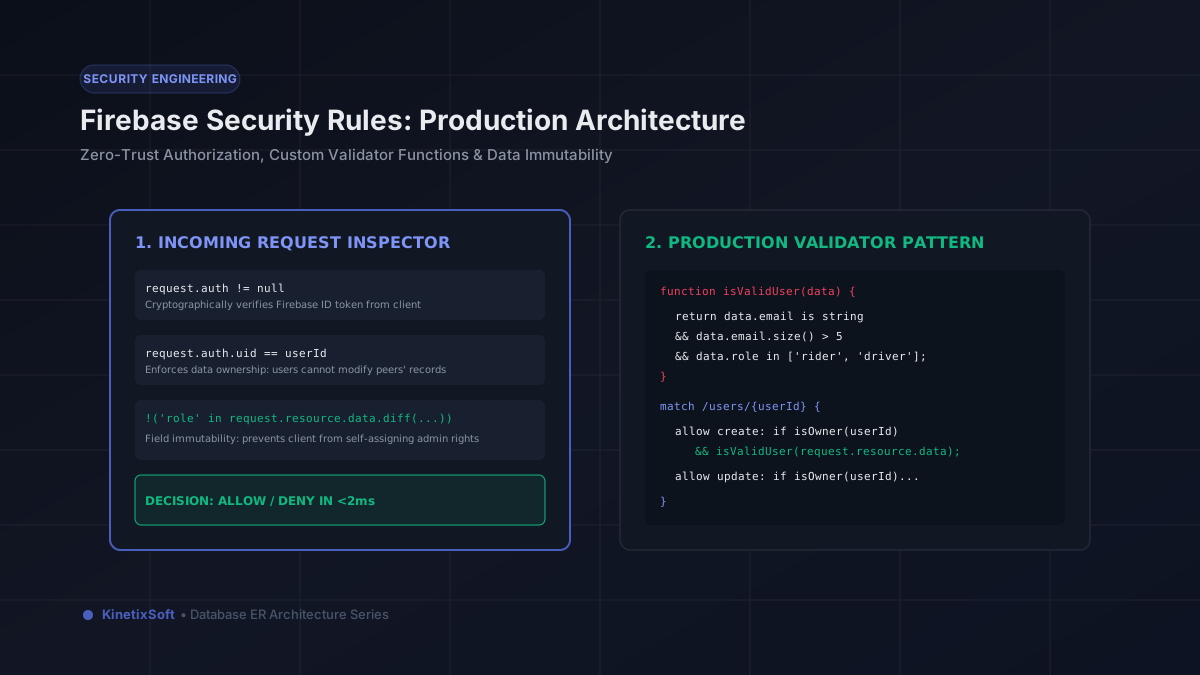
Mastering Firebase Security Rules in FlutterFlow: Complete Production Implementation Guide
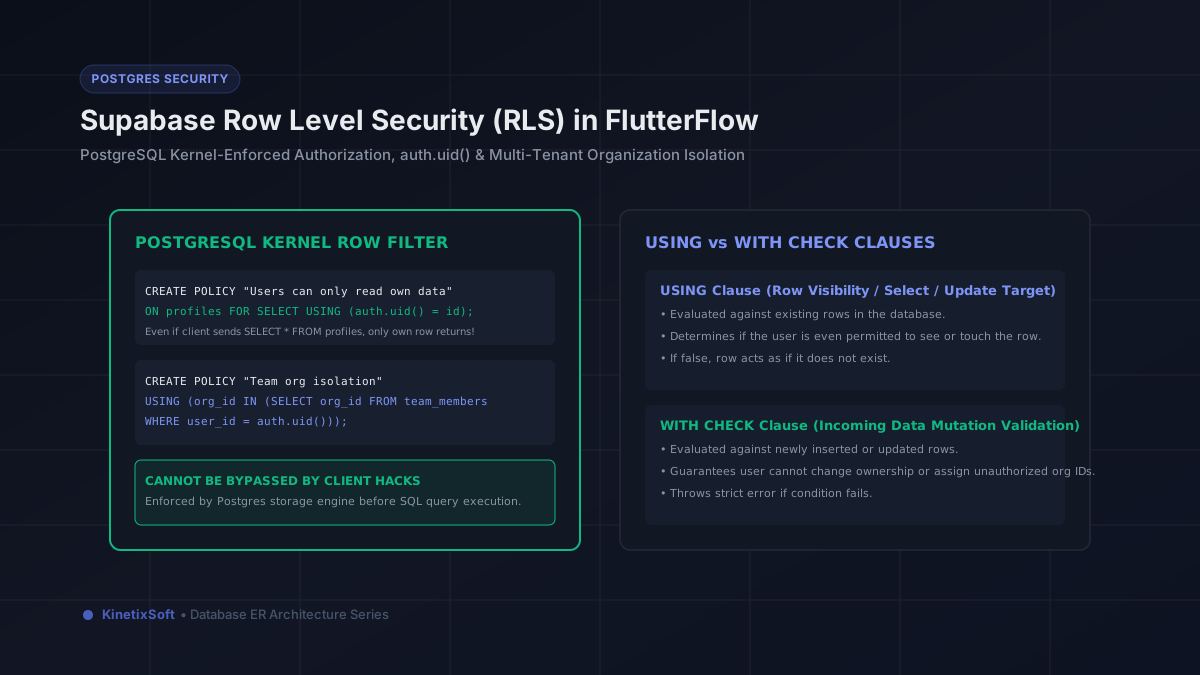
Supabase Row Level Security (RLS) in FlutterFlow: The Comprehensive Engineering Guide